Bike
Els Àngels from Girona: Gradient, Traffic and Descent
Ride Girona’s approachable road climb with an honest effort plan, independent water, a traffic check and enough reserve for the descent.
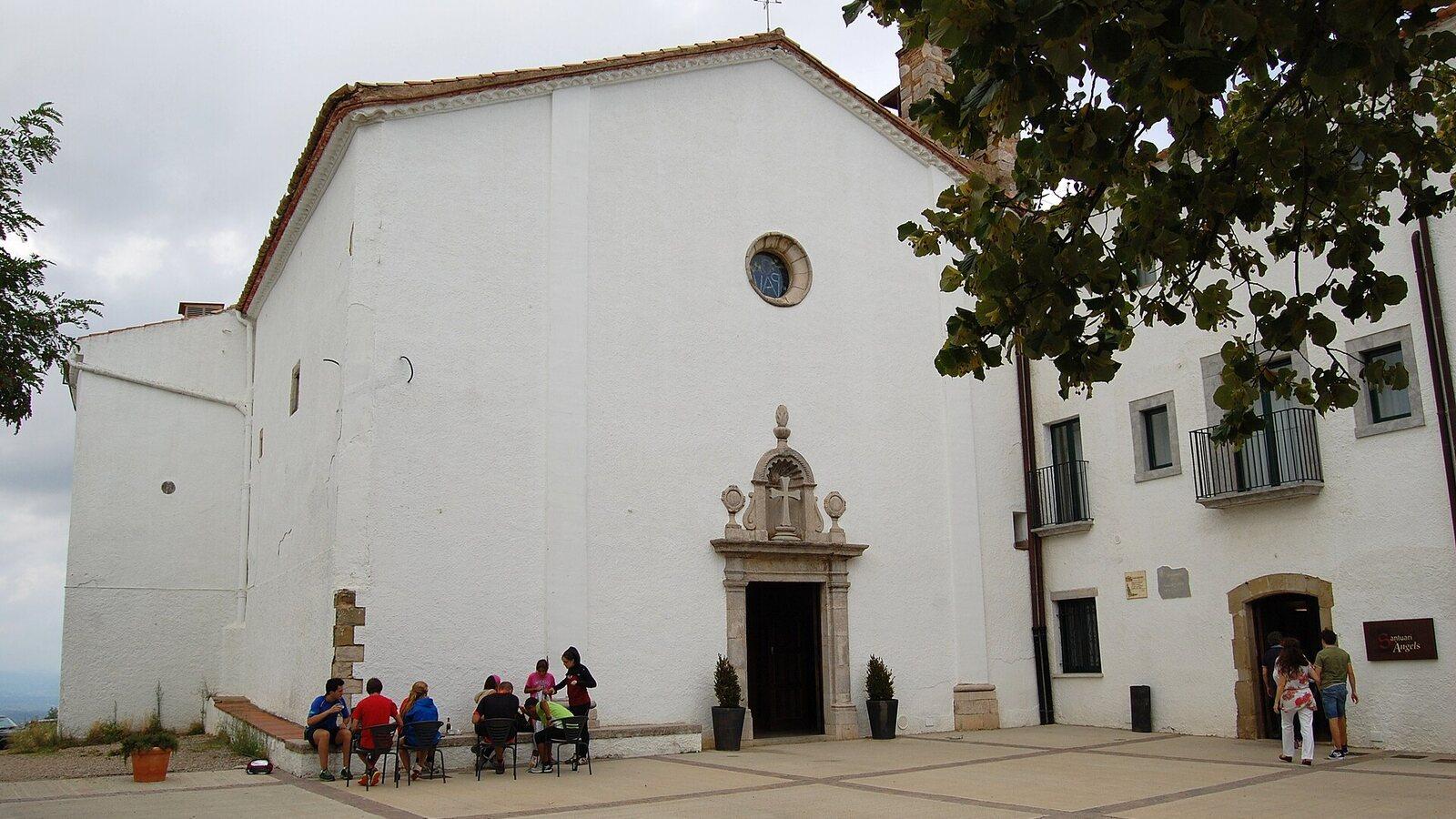
Els Àngels is often proposed as Girona’s first serious road climb because its average gradient looks friendly. That description is useful only if it does not hide the real decision: can you ride for roughly 10–11 kilometres uphill, reach the sanctuary with food and water still in reserve, then descend a forest road shared with vehicles?
For a first attempt, ride the Girona side as an out-and-back. Start in the city, join the signed GIV-6703 toward the Santuari dels Àngels, turn at the sanctuary and descend the same road while every bend is still familiar. Do not continue over the eastern side toward Madremanya simply to turn a climb into a loop. The summit is optional; a controlled return is the objective.
The numbers are a planning range, not a promise
| Decision | Working figure |
|---|---|
| Central Girona to the settled climb | Allow roughly 4–5 km, depending on the exact start and urban line |
| Girona-side climb | About 10–11 km and roughly 400–480 m of ascent |
| Whole out-and-back | Usually around 28–32 km from a central start |
| Time to protect | 3–4 hours including checks and the summit pause |
| Water | Leave Girona carrying the full amount needed for the return |
| Cost | No road admission; budget for rental, food and drink according to the actual booking and opening hours |
The ranges are deliberate. The Costa Brava Girona pass overview gives Els Àngels as 11 km with 481 metres of gain. The region’s more detailed cycling guide describes a ten-kilometre moderate climb. Different recording points, city approaches and devices can all change the total.
Build the route in a navigation app from the accommodation to the sanctuary, but inspect the road line rather than accepting an automatic “cycling” suggestion. Girona City Council also lists a 19 km Camí dels Àngels from Sant Daniel on its cycling-routes page. That is a separate path-based proposition, not another name for this paved road climb. A road bike should follow the planned GIV-6703 line, not an algorithm’s shortcut through the Gavarres.
The route field above uses 30 km and 480 metres as conservative planning values, not guaranteed GPS totals. Record the city approach separately from the climb so a short traffic delay or wrong turn does not distort the pacing decision.
La Creueta is where the ride stops being an urban warm-up
Leave central Girona on a line already checked for road works, one-way streets and safe crossings. The official long regional route starts at Pont de Sant Feliu, but that does not require every rider to assemble there. A hotel, rental shop or quiet meeting point can be better if it removes a rushed traverse of the old centre.
The important transition is near La Creueta, where the road toward Els Àngels becomes the day’s governing line. The Diputació’s road record identifies the GIV-6703 as the road from the former N-II/C-250 connection to Madremanya and records its full road length as 16.057 km. The sanctuary lies before the Madremanya end. Read road signs for Els Àngels; do not use the full highway length as the climb measurement.
Use the urban kilometres to test both brakes under load, shift into the lowest gears and listen for rotor rub or a tyre problem. The first non-negotiable turnaround is here. A slipping seatpost, uncertain brake feel or GPS route that disagrees with the signed road belongs back in Girona, where a workshop can solve it.
Compare guided cycling options from Girona if holding a predictable road position, reading a climb or managing a long descent would otherwise be new. Confirm that the activity actually uses road bikes, includes Els Àngels and provides roadside support; a general city bike tour is not a substitute.
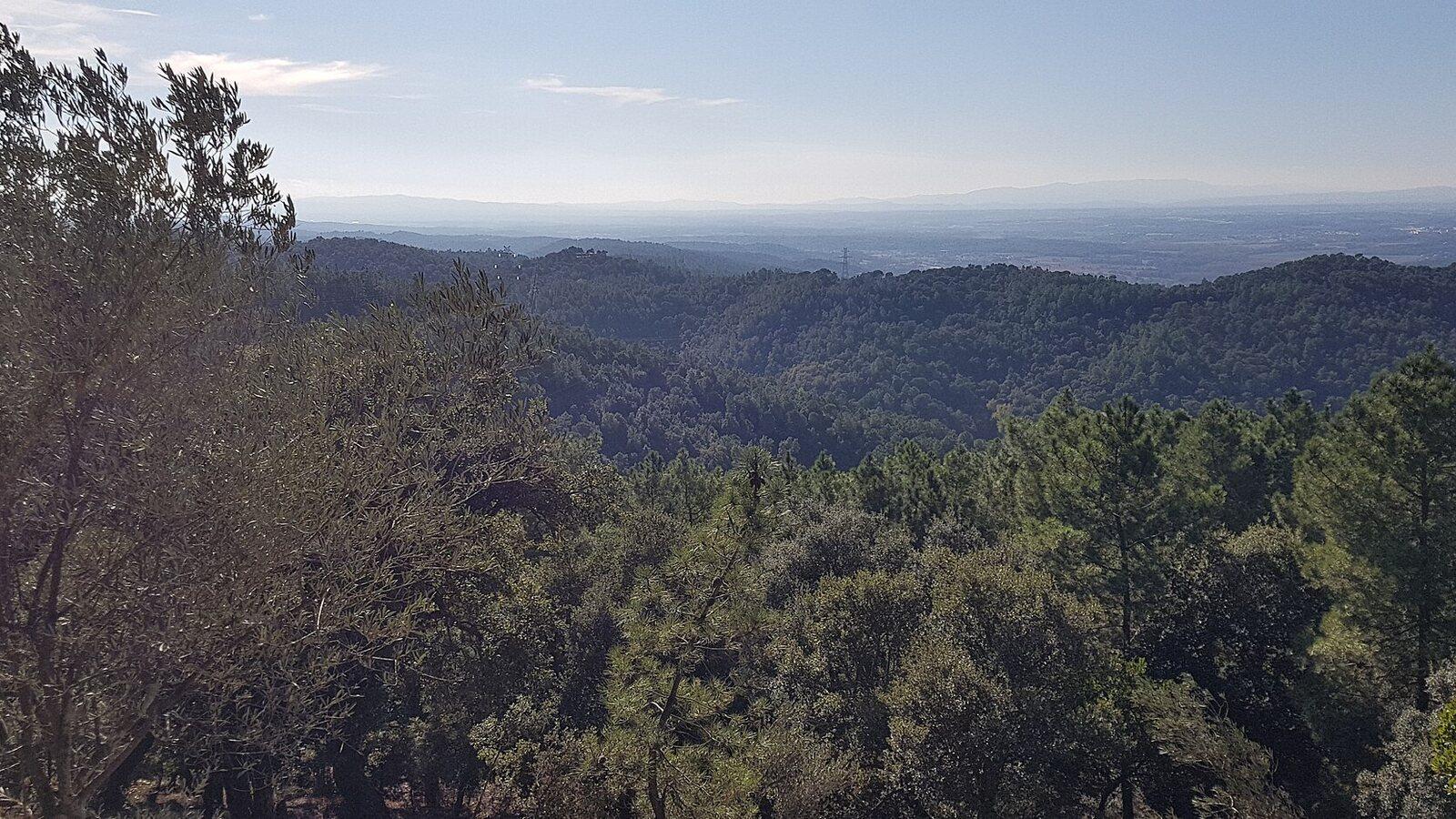
The gradient changes even when the average stays gentle
An average near four percent can be reassuring and still be a poor pacing instruction. It blends easier ground and brief respites with sections that ask for a lower gear. The road does not feel like one smooth ramp.
Think in four effort phases rather than memorizing unofficial kilometre percentages:
- Transition from Girona: keep the effort conversational while junctions and traffic still demand attention.
- Lower climb: settle into the easiest sustainable gear when the road begins to hold its slope; do not chase faster riders here.
- Forested middle: use softer passages to drink and relax the hands, not to accelerate hard enough to create a second threshold effort.
- Upper road and sanctuary turn: keep one gear and a breathing margin in reserve, because the end of the climb is not the end of the ride.
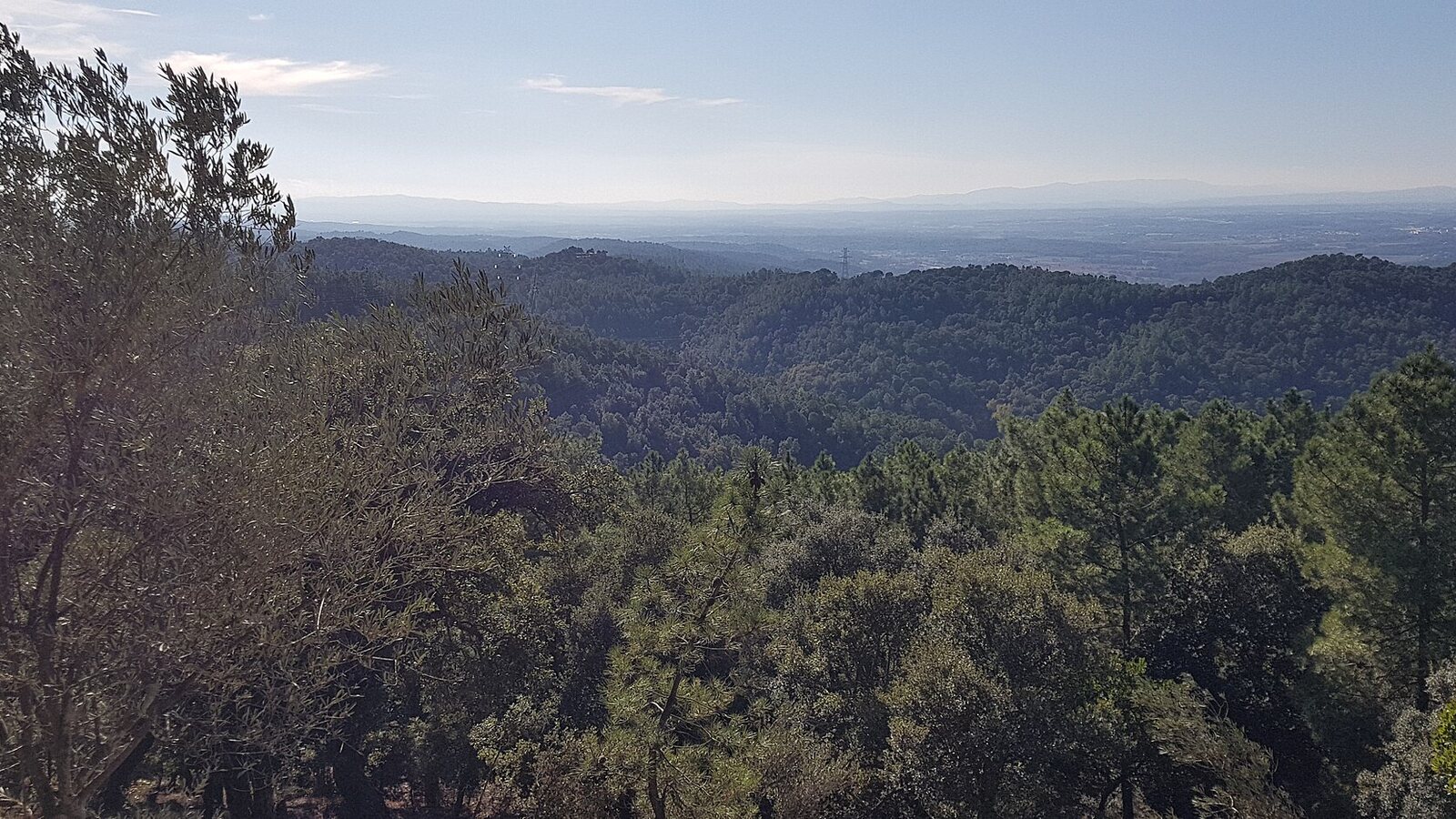
A rider ready for this day should already know they can pedal continuously for at least 60–90 minutes and remain coordinated when tired. Speed is irrelevant. The useful test is whether you can keep the upper body quiet, drink without swerving and respond to a vehicle without changing line abruptly.
If cadence collapses repeatedly in the first half, use a safe, visible place fully off the carriageway to turn. Do not perform a U-turn across both lanes on a bend. Stop, look in both directions and restart downhill only when the road is clear.
The GIV-6703 remains an open road
Els Àngels is popular with local riders and professionals, but familiarity does not close the road to cars, vans or motorcycles. Ride single file when traffic or sightlines require it. Use a bright rear light in full daylight, keep enough distance to see broken surface or fallen vegetation, and never cut the centre line to smooth a bend.
Before leaving, check the Catalan Traffic Service map for incidents and restrictions. A blank incident map is not a promise of an empty road. Sanctuary visitors, residents, maintenance vehicles and other cyclists still use it.
Choose a fully daylight start in dry conditions. “Early” is not automatically safer if it means riding through darkness, low sun or cold wet shade. In summer, avoid building the ascent around midday heat. After heavy rain or strong wind, expect leaf litter, small branches, damp patches and material washed toward bends; cancel when the inspection margin is uncertain.
Groups should agree on one regrouping method before La Creueta. Waiting just after a blind bend is unacceptable. The strongest climber may wait only at a clearly visible pull-off or at the sanctuary, and nobody descends alone without the group knowing.
Carry the return before you ask the sanctuary for anything
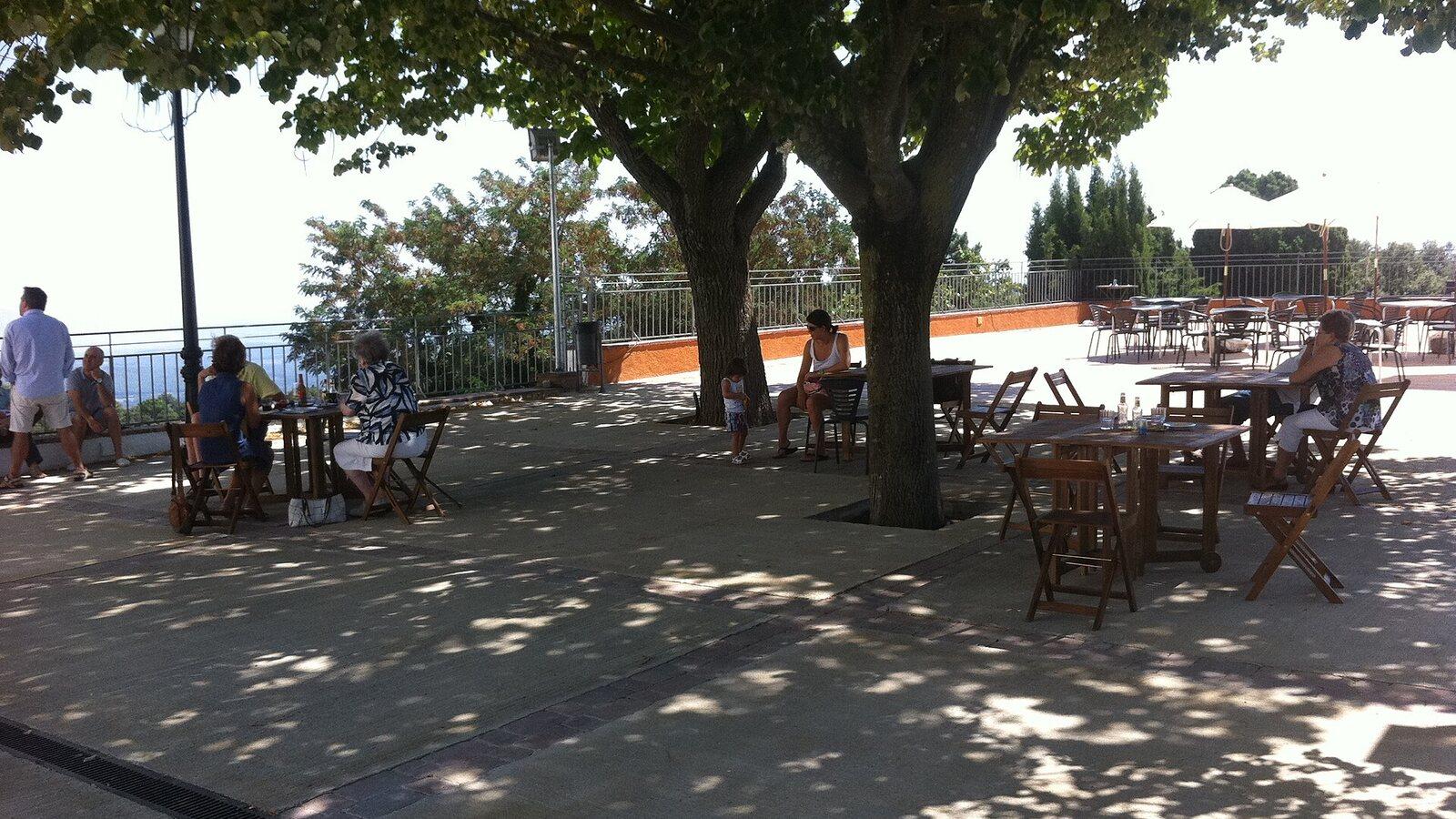
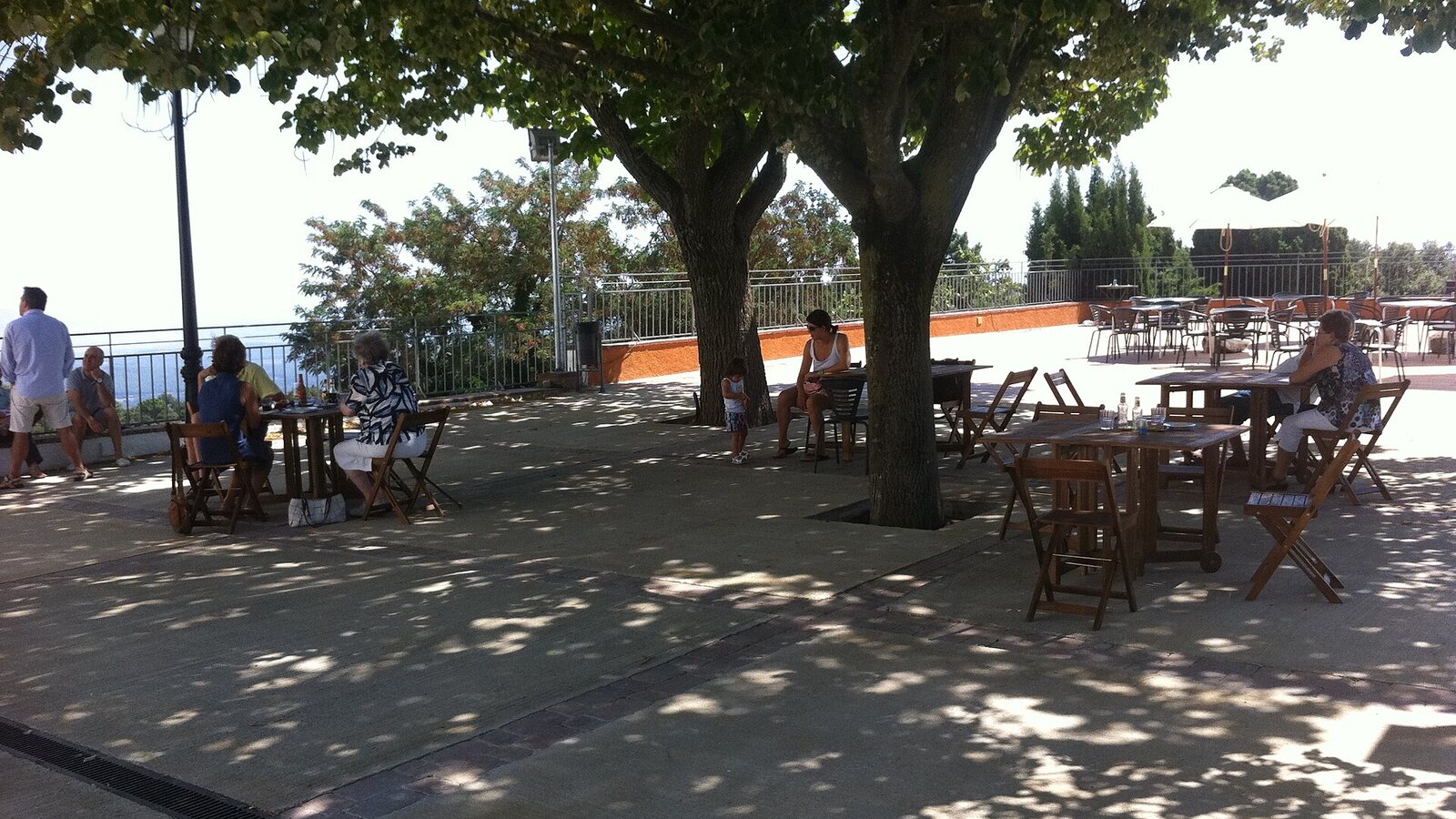
Fill bottles and buy food in Girona. Do not make the climb conditional on a fountain, café or restaurant being open at the summit. A venue can close for a private function, quiet weekday, holiday or maintenance; a photographed terrace is not an operating-hours guarantee.
Carry two bottles when heat, body size or pace makes one marginal. Pack one item that can be eaten easily without relying on table service, plus a small reserve that remains untouched until the summit-or-turn decision. On a cool day, failing to drink is still possible because the shaded Gavarres disguise fluid loss.
At the sanctuary, stop long enough to separate exertion from readiness. Eat, add a layer if needed and look at the sky over the forest rather than treating the arrival photo as the end of the plan.
Leave the summit with working brakes, comfortable hands, food in the body and water for the city return. If a brake has begun to rub, a tyre is losing pressure or the front wheel feels uncertain, do not test it at descending speed. Seek assistance from the sanctuary area and use the saved support number.
Descend the Girona side as the second half of the ride
The known side is preferable for a first attempt because you have just inspected its surface, bends and exposed patches at climbing speed. That knowledge expires quickly after rain, falling debris or passing traffic, so it is an advantage—not a guarantee.
Set speed before each bend while the bicycle is relatively upright. Keep eyes through the exit, weight the outside foot and use both brakes progressively. Release excessive braking pressure before turning rather than grabbing a handful at the apex. Never cross the centre line, even when no engine can be heard.
Hand fatigue is a descent hazard. Pause at a safe pull-off if fingers become numb or braking force changes. Do not stop in a traffic lane, on loose gravel or where an approaching driver would meet the group without sight distance.
The official guide’s longer 103 km route continues east from Els Àngels and describes that onward descent as narrow and accentuated before crossing the Baix Empordà. That is precisely why Madremanya, La Ganga and Romanyà do not belong as spontaneous additions to a first sustained climb. They create new descending information, more distance and a harder return after the original objective is already complete.
La Creueta makes the final assessment visible
When the sustained descent ends, do not switch off mentally. The approach back into Girona restores junctions, pedestrians, surface markings and urban traffic just as the rider’s attention is fading. Regroup before the complex city section, not inside it.
If the forecast has deteriorated, use the direct checked line to the accommodation or rental shop. If everyone feels strong, that is still not a reason to add a second climb. Finish the out-and-back, refill and inspect the bicycle while the day’s sensations are fresh.
Read the Meteocat forecast alongside the road check on the morning of the ride. Heat, electrical storms, gusts or recent intense rain each change the go/no-go decision. A flatter Girona ride is the fallback before departure; a safe turn on the GIV-6703 is the fallback once climbing. Reaching Els Àngels is satisfying. Returning with braking concentration, water and daylight intact is what makes it a successful first climb.
Related guides
- Rocacorba from Girona: A Road-Climber's Day
Ride from Girona to Rocacorba with sensible gearing, an honest turnaround decision and enough concentration left for the descent.
- Montserrat by Road Bike from Monistrol: Climb and Return
Climb Montserrat’s BP-1121 from Monistrol with a traffic window, independent supplies, clear turnarounds and brake reserve for the return.
- Lloret–Tossa–Sant Feliu Coastal Road by Bike
Ride the GI-682 only with the traffic confidence, descending skill and fixed return that this beautiful but unforgiving coast road demands.
Are you in the know?
Receive new articles, local updates, and occasional offers from selected partners. We never share your email address. Unsubscribe at any time.
By subscribing you agree to our privacy policy.