Bike
Montserrat by Road Bike from Monistrol: Climb and Return
Climb Montserrat’s BP-1121 from Monistrol with a traffic window, independent supplies, clear turnarounds and brake reserve for the return.
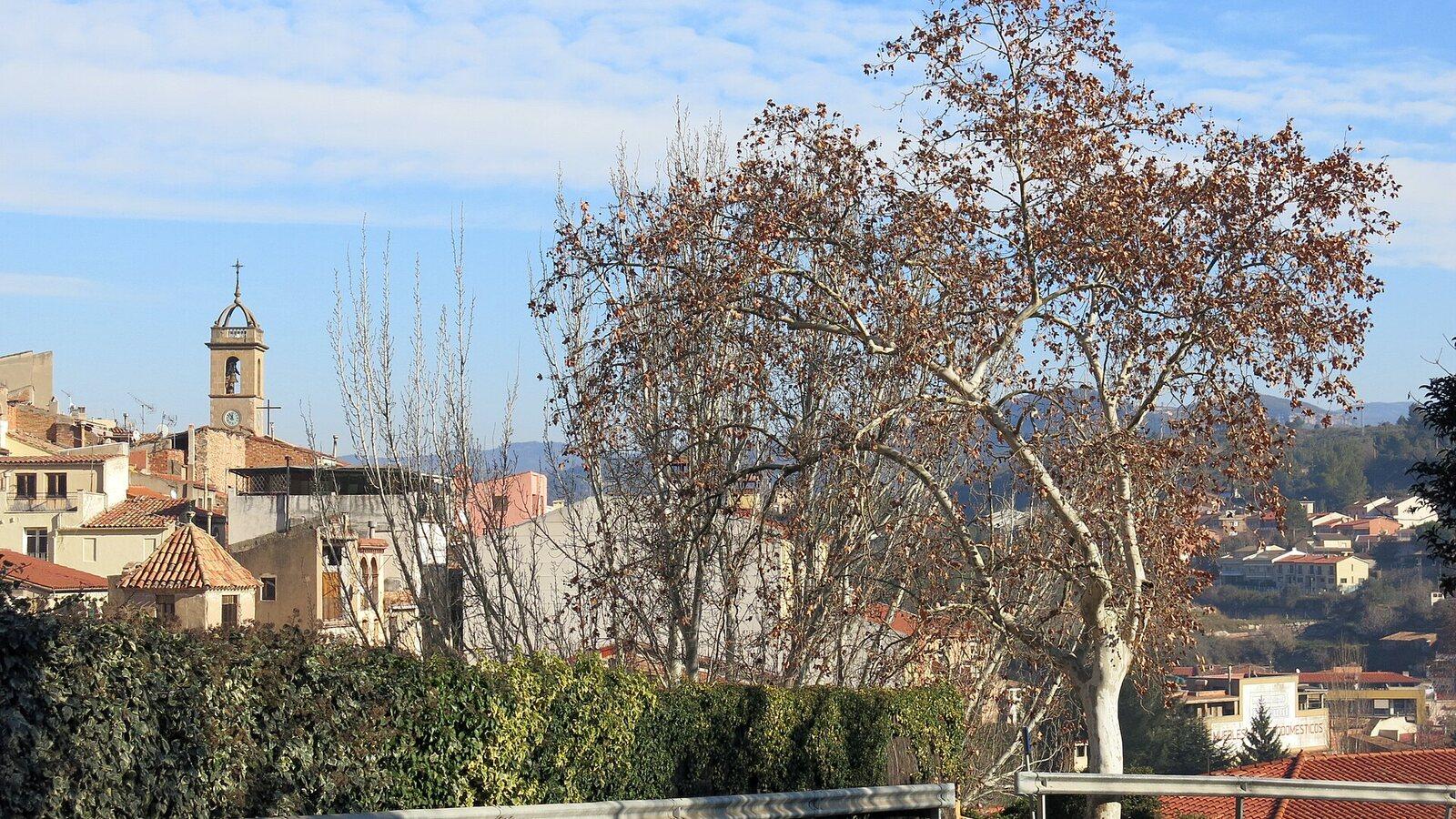
The Monistrol road to Montserrat is short enough to look like a morning add-on and steep enough to expose every weak decision. The current race profile is roughly nine kilometres at 6.2% average, with ramps reported at 13%. It finishes among the vehicles, pedestrians and access controls of one of Catalonia’s busiest visitor sites. The same road must then be descended.
Ride it as a stand-alone out-and-back. Begin inside Monistrol de Montserrat, join the BP-1121 only after testing the bicycle, climb to the sanctuary access area and return by the road just inspected. Do not attach the BP-1103 toward Can Maçana simply because it appears to complete a mountain traverse. The safe plan is about 20 kilometres and close to 600 metres of ascent from a practical town start.
What the 2025 race profile means on an ordinary day
| Leg | Planning figure | Governing risk |
|---|---|---|
| Monistrol warm-up | Roughly 1–2 km, depending on the start | Town streets, speed tables and the C-55 junction |
| BP-1121 to access control | 7.6 km in the race roadbook | Sustained climbing on an open public road |
| Access control to Plaça de la Creu | 1.4 km | Parking flow, narrowing, pedestrians and a brief change of gradient |
| Return to Monistrol | Same line in reverse | Brake heat, blind bends and visitor traffic |
| Whole ride | About 18–22 km; allow 2.5–4 hours | Conditions matter more than average speed |
The official 2025 Volta a Catalunya roadbook defined the finish as a nine-kilometre first-category climb from about 135 metres to 700 metres, averaging 6.2% with maximum ramps of 13%. Its route table placed the access control after 7.6 kilometres and Plaça de la Creu 1.4 kilometres later.
Those numbers describe a professional race with traffic management, barriers and a finish operation. They are useful for scale, not evidence that a recreational rider will meet a closed road, clear corners or a protected arrival. On a normal day the BP-1121 is the motor access from Monistrol to the sanctuary; the Patronat’s road directions send visitor traffic along it.
Start in Monistrol without borrowing the C-55
Choose accommodation, a lawful parking place or another assembly point within Monistrol before arrival. Plaça de la Font Gran is a useful orientation point, not a promise of convenient long-stay vehicle parking. Do not circle its compact streets in a car while dressed to ride.
Most importantly, do not mistake the fast C-55 corridor below town for a warm-up lane. Build a route that reaches the BP-1121 from within Monistrol with the fewest complex junctions. Compare the navigation line with current street signs, and walk a confusing crossing rather than following a head unit blindly.
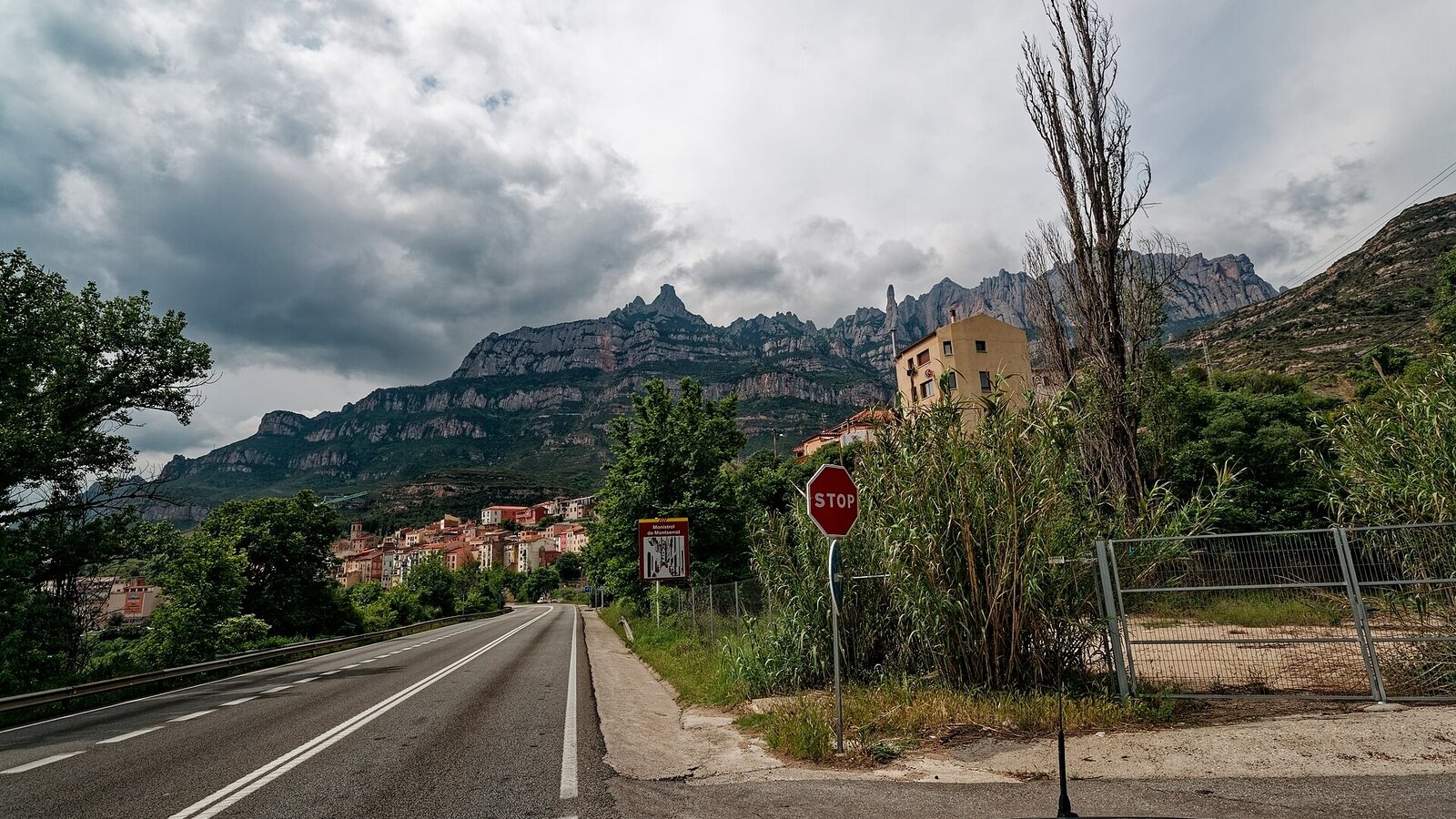
Before the sustained ascent, shift through the cassette, brake firmly with each lever and inspect tyre pressure and wheel security. A compact chainset and a genuinely low gear are more valuable than a light rental frame. Riders should be able to maintain a steady seated effort for about an hour without losing the ability to look behind, drink or hold a predictable line.
Carry identification, phone, repair kit, pump, two lights, food, a windproof layer and enough water for the complete return. Montserrat lists cafés and shops, but opening hours and queues do not belong inside the hydration plan.
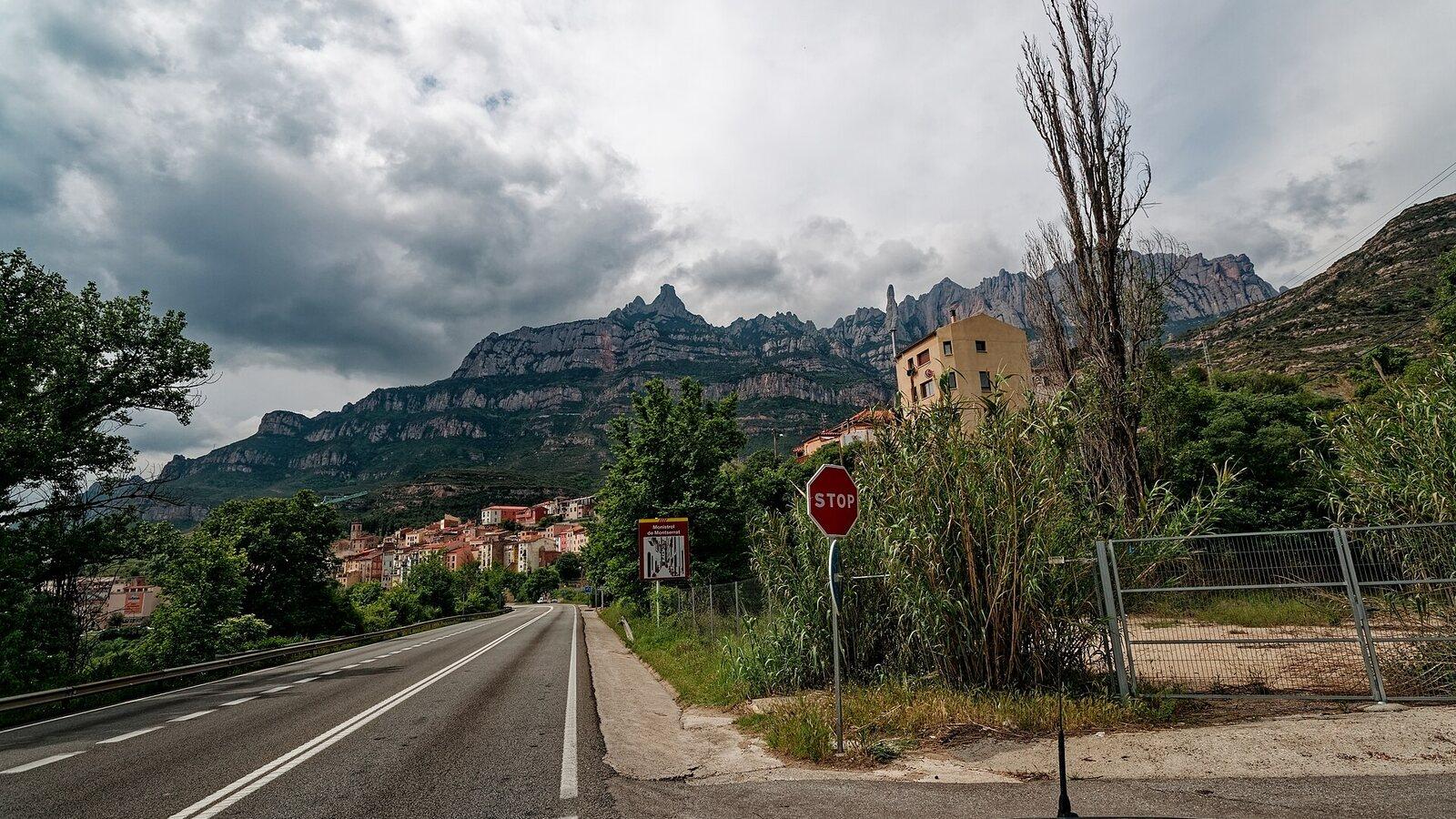
The BP-1121 asks for restraint before the steepest ramps
The early road rises away from Monistrol while the town and Llobregat valley begin to drop behind. The mountain fills the field of view, which makes the sanctuary appear closer than it is. Keep the first third deliberately easy.
The average gradient hides steeper changes. Shift before cadence stalls, remain seated when standing would make the bicycle wander, and let faster riders pass without following their wheel. At 6.2% average, a rider who treats every softer section as an invitation to accelerate can arrive at the upper ramps with no concentration left for traffic.
Use three private checks rather than a target time:
- After the town has disappeared below: breathing should still allow short sentences and both hands should feel relaxed.
- At the first safe stop after halfway: at least half the water and all descending focus should remain.
- Before the access-control zone: the rider must be ready for slower cars, queuing and people looking for parking rather than bicycles.
There is no required viewpoint at which to turn. A valid turnaround is any wide, clearly visible place where rider and bicycle can move completely outside the vehicle line. A bend, drainage edge or narrow shoulder is not made safe by exhaustion.
Choose a traffic window, not an imaginary quiet hour
Montserrat receives private cars, coaches, service traffic and people transferring between transport modes. The official road-access page warns that sanctuary parking capacity is limited. When it fills or approaches capacity, vehicles may slow, queue or make uncertain movements near the top.
Start in full daylight and aim to complete the descent before the heaviest visitor flow, but do not claim that dawn guarantees an empty mountain. Low sun, cold rock shade and fatigued early drivers create their own problems. A dry weekday outside holidays is usually a better proposition than a dark weekend start.
Check the Catalan Traffic Service map for incidents or restrictions shortly before rolling. Also open the Montserrat webcam. Cloud sitting on the sanctuary, wet pavement or visibly dense traffic changes more than the view.
Ride single file where sightlines demand it. A bright rear light helps in alternating sun and shade but does not replace position or predictability. Never move toward the centre line to take a photograph, avoid a drain or smooth a corner without checking behind.
The access control is a new route, not the last kilometre
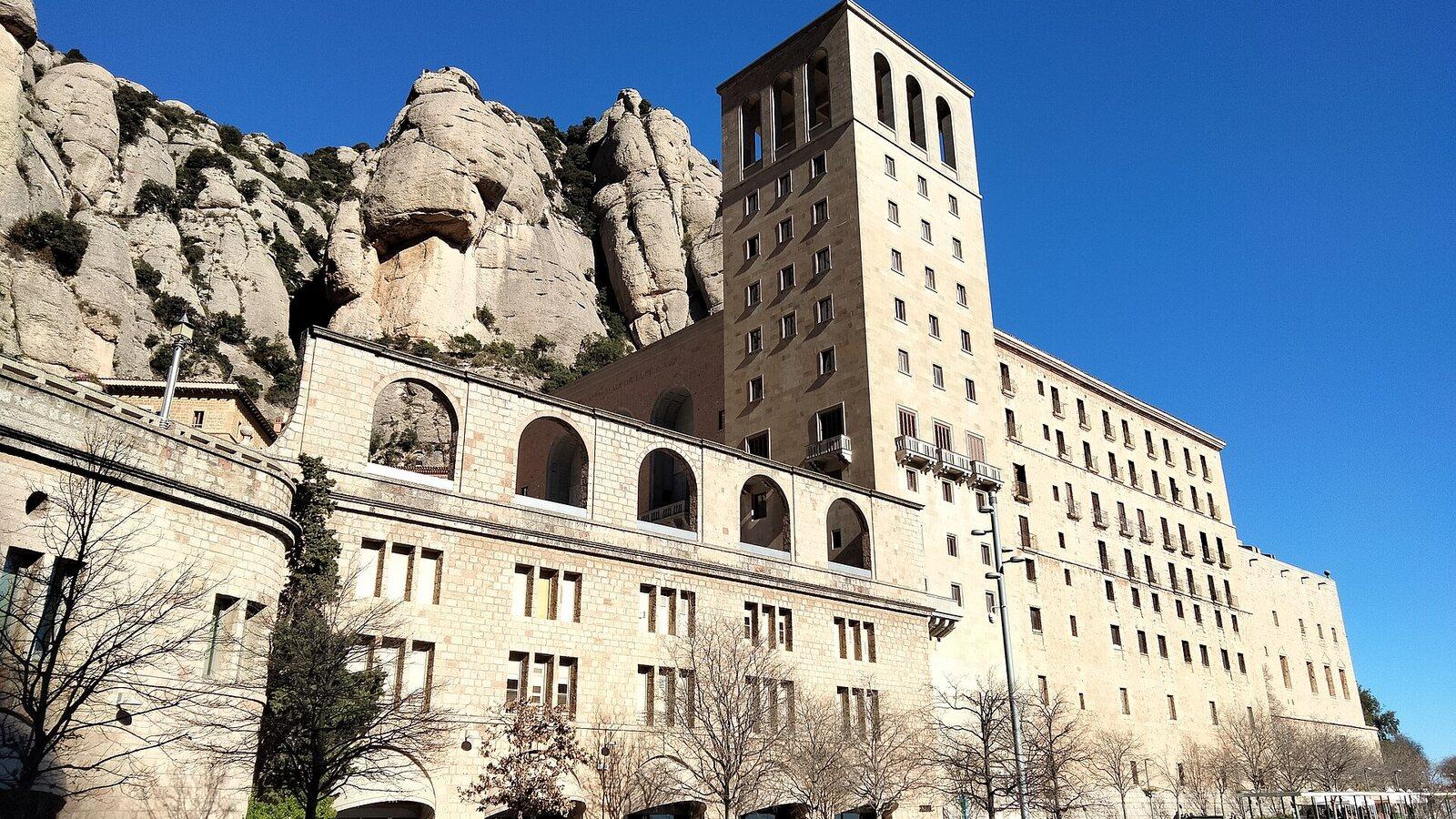
At roughly 7.6 kilometres in the race profile, the road reaches the sanctuary access-control area. Forget the summit clock here. Visitor vehicles are reading signs, choosing lanes and searching for instructions. Ask staff where a cyclist may proceed and where a bicycle can stop without obstructing traffic or pedestrians.
If access is restricted, a queue blocks the safe line or nobody can identify a sensible stopping place above, turn at the first location staff indicate. Riding through a confused gate does not validate the climb.
The final 1.4 kilometres are not a simple continuation of the lower ramp. The Volta route notes a narrowing and a slight descent before the finish at Plaça de la Creu. Expect parking circulation and people whose attention is on the monastery rather than an arriving cyclist. Reduce speed before the precinct and dismount wherever signs, staff or crowd density require it.
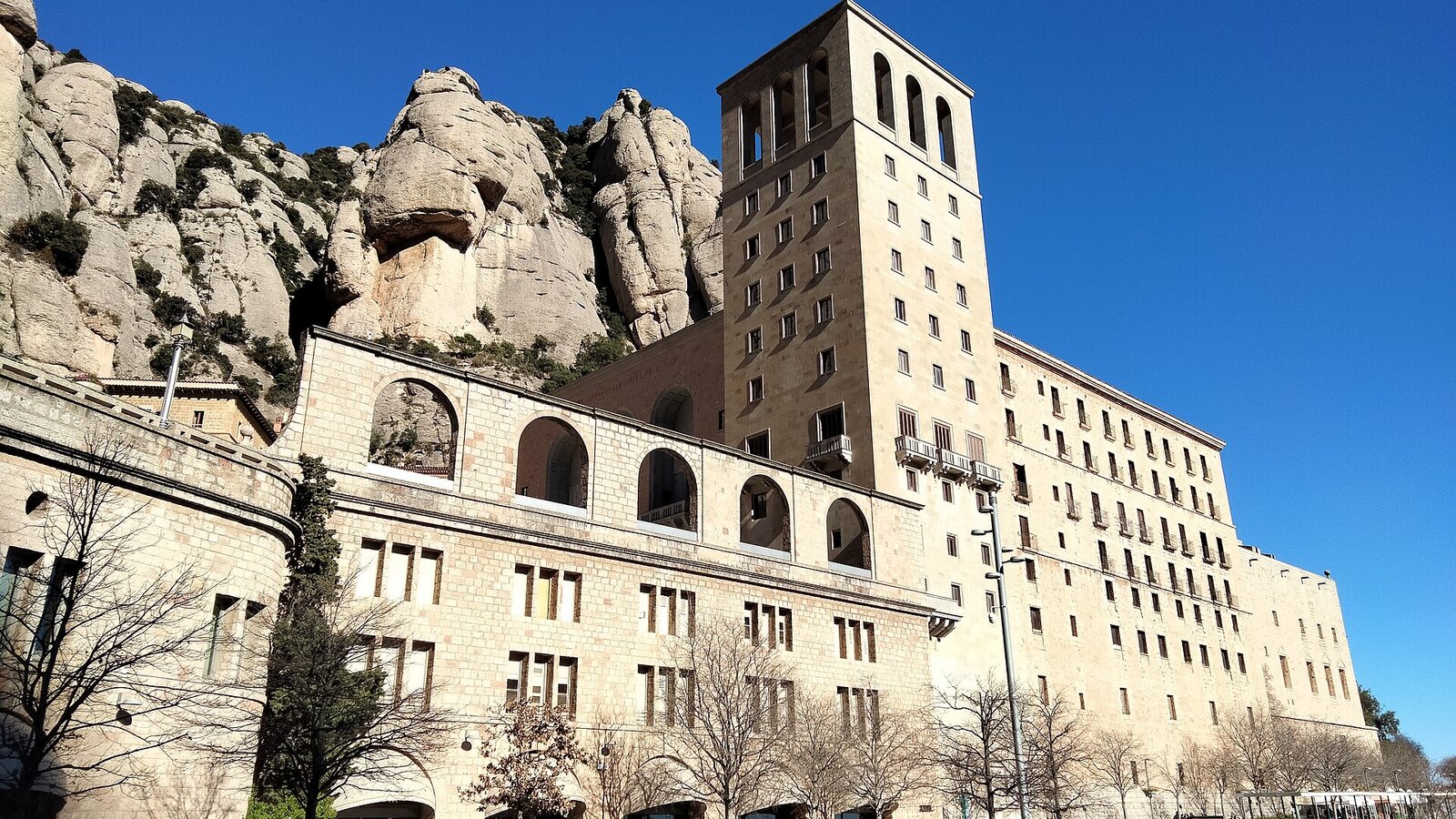
The road climb has no admission fee. Entering visitor spaces at the sanctuary is a separate decision, and some tourist access is ticketed. A solo rider should not leave an expensive bicycle unlocked to convert a training ride into a basilica visit. Eat, refill only if a confirmed facility is open, put on the descent layer and leave before the arrival area becomes busier.
Descend before the rock changes the weather
Check the Meteocat forecast for wind, rain, heat and storms, then compare it with what the massif is doing in front of you. Montserrat can collect cloud and gusts while the valley still appears benign. Rain after a dry period can lift oil and grit from the road; heat radiating from rock can make the climb much harder than the air temperature suggests.
The descent is not recovery. Lower speed while upright before each bend, look through the exit and keep the bicycle on its side of the centre line. Use both brakes progressively rather than dragging one continuously. If braking feel changes, hands cramp or concentration narrows, stop fully off the carriageway at the next safe visible space.
Expect a car around every blind bend and a slower vehicle just beyond every sun-to-shade transition. Fallen stone, leaf litter and damp patches matter more at descending speed than they did on the climb. A rider who notices debris while ascending should name or mark the location mentally for the return, not assume it will be obvious later.
Monistrol is the finish, not the foot of another climb
Once the sustained gradient releases, regroup before re-entering town. Speed tables, street furniture and the junction sequence arrive while hands and attention are tired. Follow the checked line back to the assembly point and end the ride there.
Dense traffic, a weather warning, road works, rockfall control, uncertain brakes or a rider already straining in the lower third are all complete reasons to abandon. The alternative is not “push to the monastery.” Put the bike away and use the Cremallera de Montserrat for a separate visit, or choose a lower valley ride that does not commit the group to this descent.
Montserrat does not owe a cyclist an uninterrupted ascent. The mountain road is successful when the rider recognizes each change—from town, to sustained climb, to visitor access, to descent—and still reaches Monistrol with grip, water and judgment left.
Related guides
- Els Àngels from Girona: Gradient, Traffic and Descent
Ride Girona’s approachable road climb with an honest effort plan, independent water, a traffic check and enough reserve for the descent.
- Rocacorba from Girona: A Road-Climber's Day
Ride from Girona to Rocacorba with sensible gearing, an honest turnaround decision and enough concentration left for the descent.
- Lloret–Tossa–Sant Feliu Coastal Road by Bike
Ride the GI-682 only with the traffic confidence, descending skill and fixed return that this beautiful but unforgiving coast road demands.
Are you in the know?
Receive new articles, local updates, and occasional offers from selected partners. We never share your email address. Unsubscribe at any time.
By subscribing you agree to our privacy policy.