Bike
Lloret–Tossa–Sant Feliu Coastal Road by Bike
Ride the GI-682 only with the traffic confidence, descending skill and fixed return that this beautiful but unforgiving coast road demands.
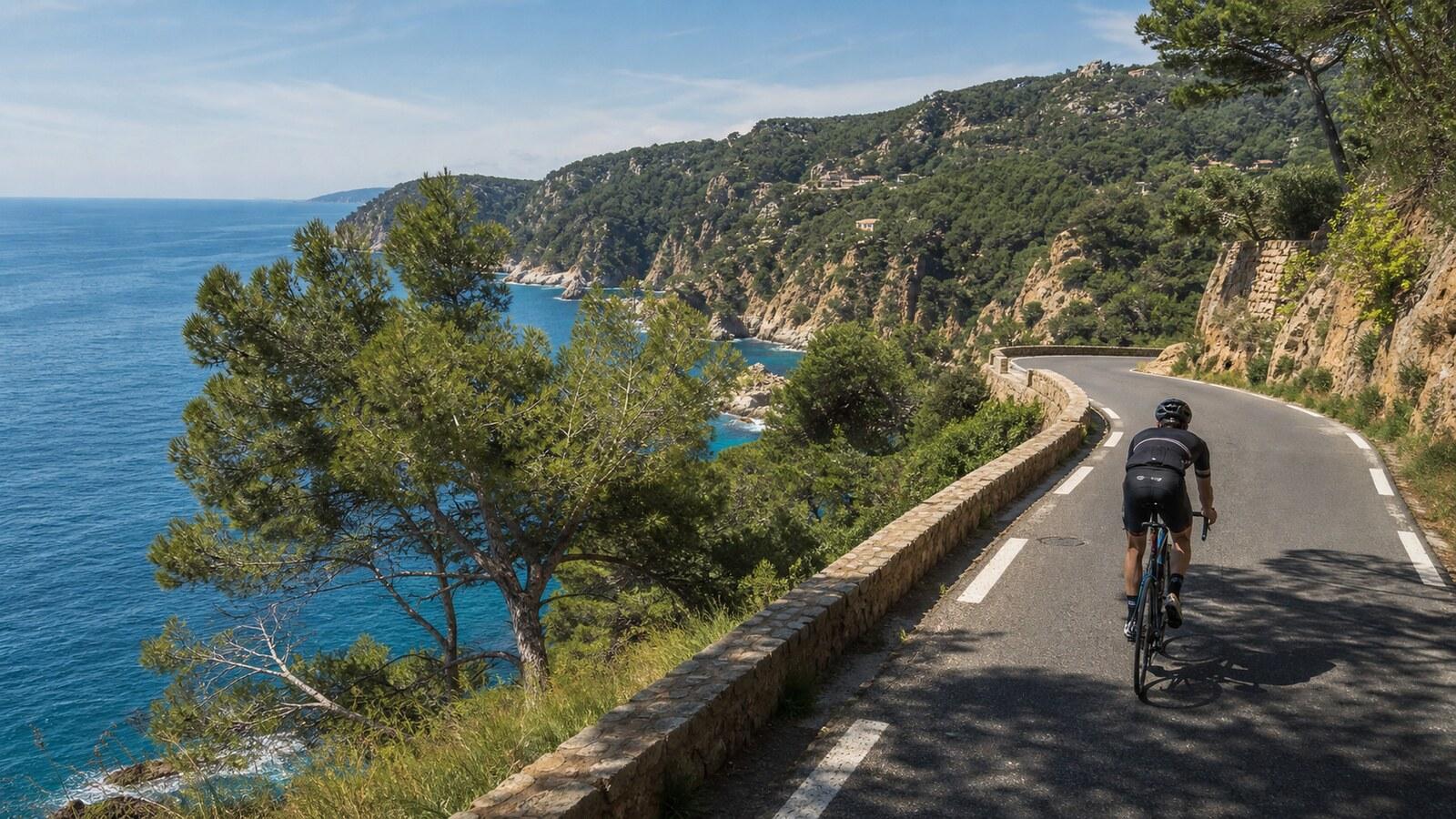
The GI-682 between Lloret, Tossa and Sant Feliu de Guíxols is one of the Costa Brava’s great road-cycling landscapes. It is also a public coast road with blind bends, tourist traffic, repeated ramps and exposed descents. The view does not make it a recreational cycle path. This one-way plan is for confident road riders who can hold a predictable line and manage a mechanical problem away from town.
Lloret Cycling’s official route description calls the road between Tossa and Sant Feliu the star section of a tough three-pass circuit. For the shorter one-way ride, allow about 45 kilometers and four to six hours including stops; verify the current track rather than relying on that rounded distance.
Finish logistics come first
Arrange a bike-capable pickup in Sant Feliu before departure. Record the meeting place, latest arrival, luggage arrangement and what happens if a rider stops in Tossa. Neither town has a simple train solution for an assembled road bike.
Check supported Costa Brava road rides for actual following support, not a van that appears only at the finish. Confirm rider-to-guide ratio, route, bike, rescue points and cancellation for wind, heat or road closure.
Start before 08:00 in warm or busy months. Use a serviced road bike, helmet, bright clothing, front and rear lights, two bottles, food, repair kit, pump, identification and a windproof layer. A strong light matters in shadow as well as darkness.
Tossa is the honest decision point
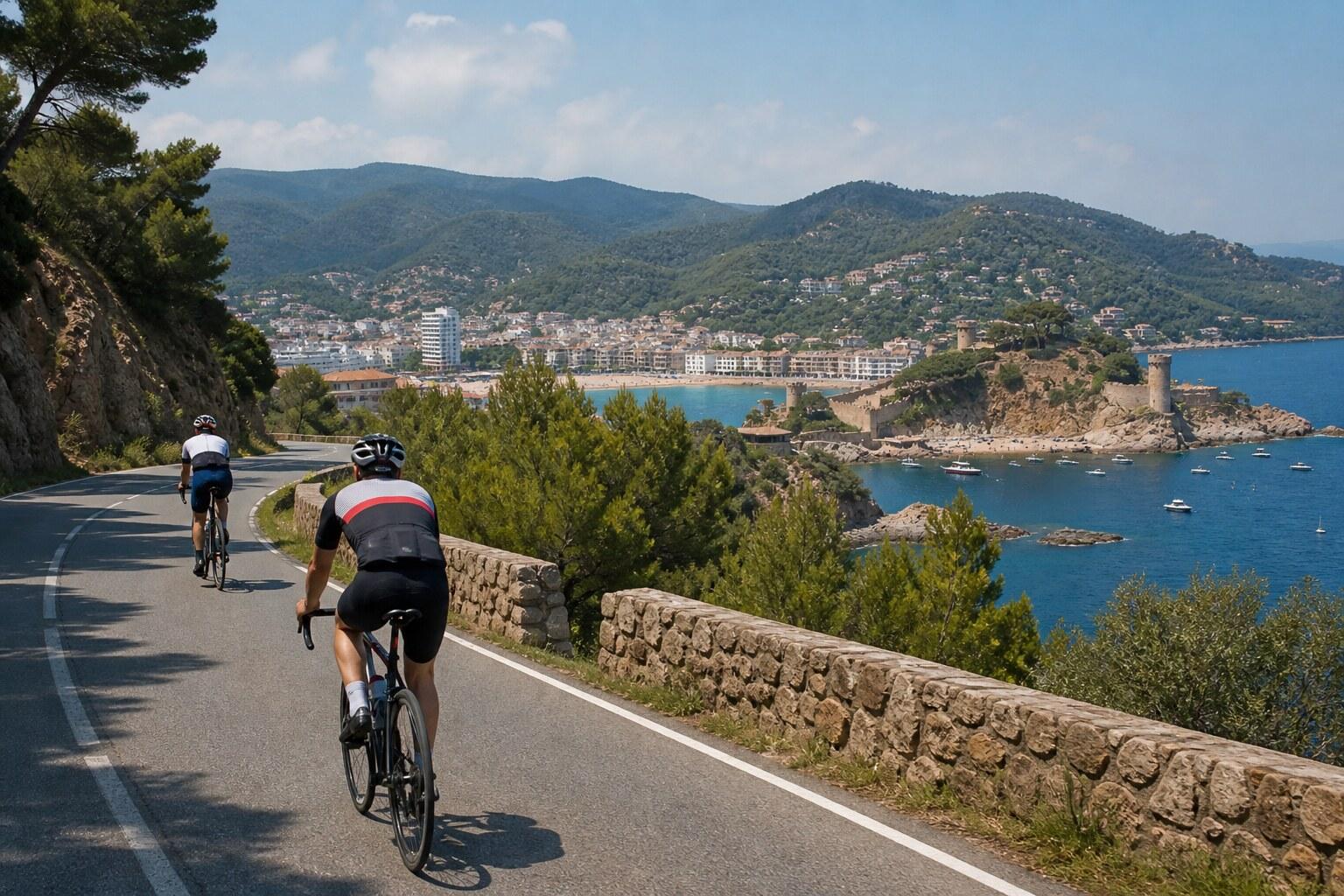
Reach Tossa with enough reserve to stop, refill and assess traffic. The road north toward Sant Feliu is the defining section but offers fewer simple exits. If the group is already tired, a pre-arranged finish in Tossa is responsible route management.
Beyond town, climb at an effort that leaves concentration for descending. Hold a stable line, signal early and never stop on the carriageway for a photograph. Use only a viewpoint where every rider can leave the traffic lane safely. Gravel, pine debris, wind and oncoming vehicles can all appear beyond a blind bend.
Average speed is a poor planning tool here: short climbs accumulate and technical descents do not repay fatigue with easy distance. In unsuitable conditions, ride an early Lloret–Tossa return or choose the traffic-free Girona–Sant Feliu greenway. check road works, weather, emergency coverage and the support agreement on the morning.
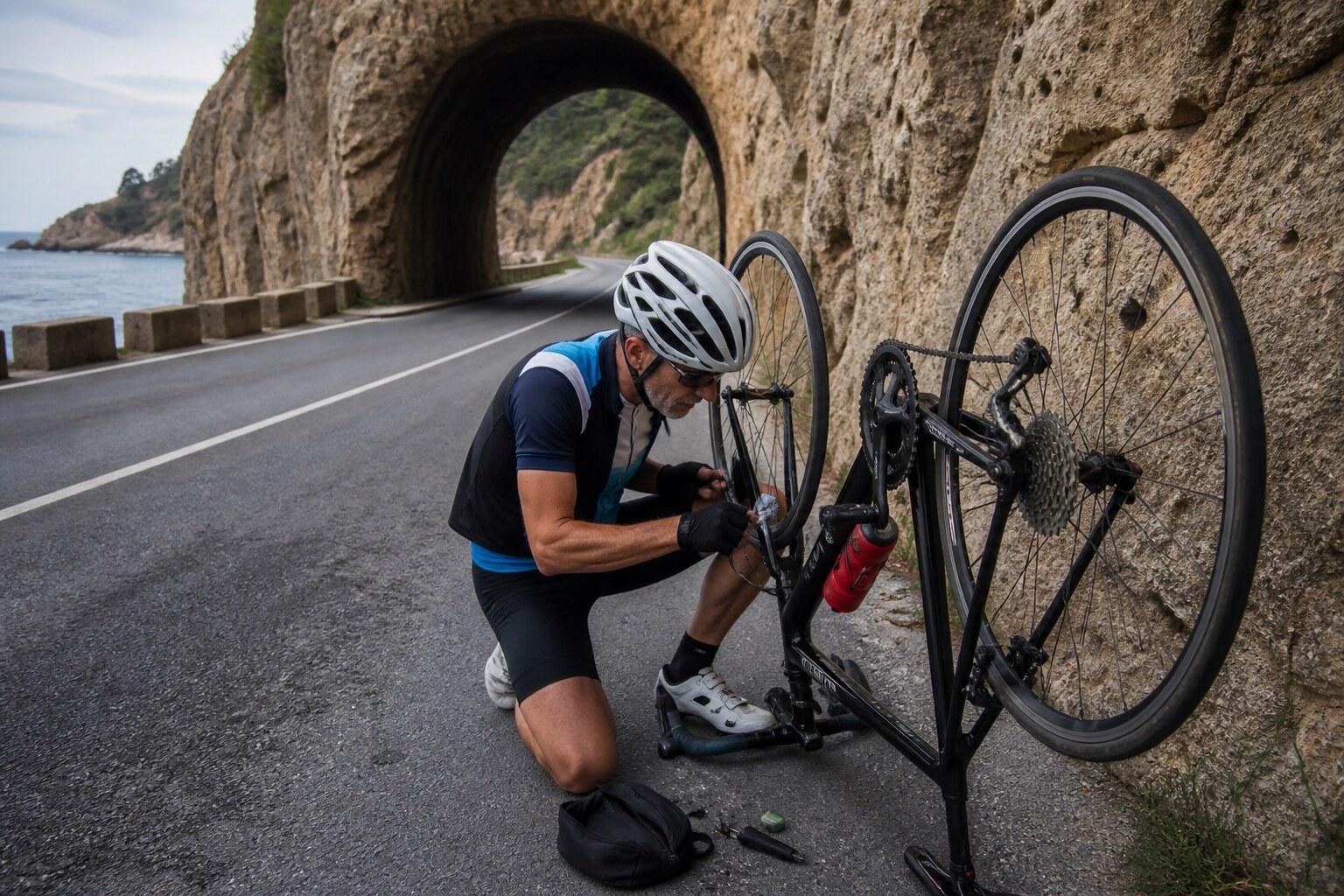
Group discipline matters as much as fitness. Agree whether riders regroup at safe pull-offs or remain together, and never wait just beyond a blind bend. The strongest descender should not dictate the pace. If a puncture occurs, move every bicycle fully off the carriageway before beginning the repair; a support number is useful only when the pickup can identify the location.
Related guides
- Rocacorba from Girona: A Road-Climber's Day
Ride from Girona to Rocacorba with sensible gearing, an honest turnaround decision and enough concentration left for the descent.
- Girona to Sant Feliu de Guíxols by Greenway Bike
Ride the Carrilet II from Girona to the sea with realistic pacing, compacted-gravel equipment and a return arranged before departure.
- El Prat and the Llobregat Delta: A Flat Cycling Day
Cycle from El Prat to the coast via aircraft viewpoints, with route surfaces, rental checks, wetland bike restrictions and return options.
Are you in the know?
Receive new articles, local updates, and occasional offers from selected partners. We never share your email address. Unsubscribe at any time.
By subscribing you agree to our privacy policy.