Bike
Pirinexus from Girona: A Three-Day Starter Loop
A manageable three-day Pirinexus sampler through Girona, Garrotxa, and the Empordà with luggage transfer and surface planning.
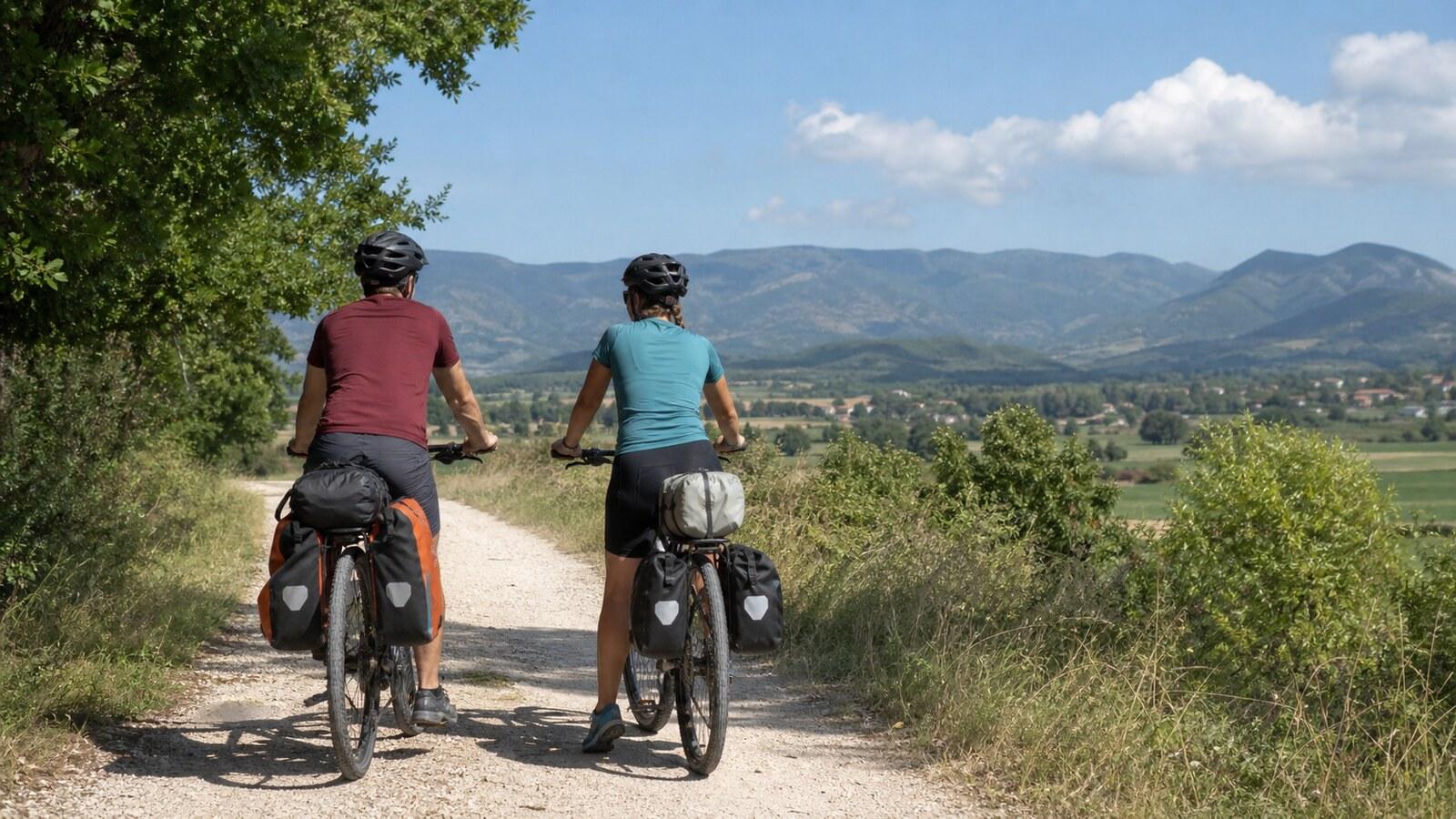
The full Pirinexus exceeds 350 kilometers, so a first three-day trip should sample linked greenways and rural roads rather than claim to complete the circuit.
A Supported Three-Day Shape
- Start: Girona with fitted bikes and overnight luggage separated.
- Order: day one Girona–Olot; day two Olot–Figueres area by supported transfer and ride; day three Empordà–Girona.
- Time: 3 days, 45–70 km per day.
- Distance and effort: moderate touring with mixed surfaces and cumulative fatigue.
- Indicative budget: €250–600 per person with rental, lodging, and luggage support.
- Reserve: Book luggage transfer, bike support, and bike-friendly rooms together.
Check a supported three-day Pirinexus itinerary by comparing the actual overnight stops, daily luggage deadline, emergency pickup boundary, and bike-repair support—not merely the advertised distance.
Put the Stages in a Sensible Order
Use the Carrilet for day one, choose a supported connector rather than the hardest Pyrenean section on day two, and finish through the Empordà on day three. Keep daily arrival before 18:00.
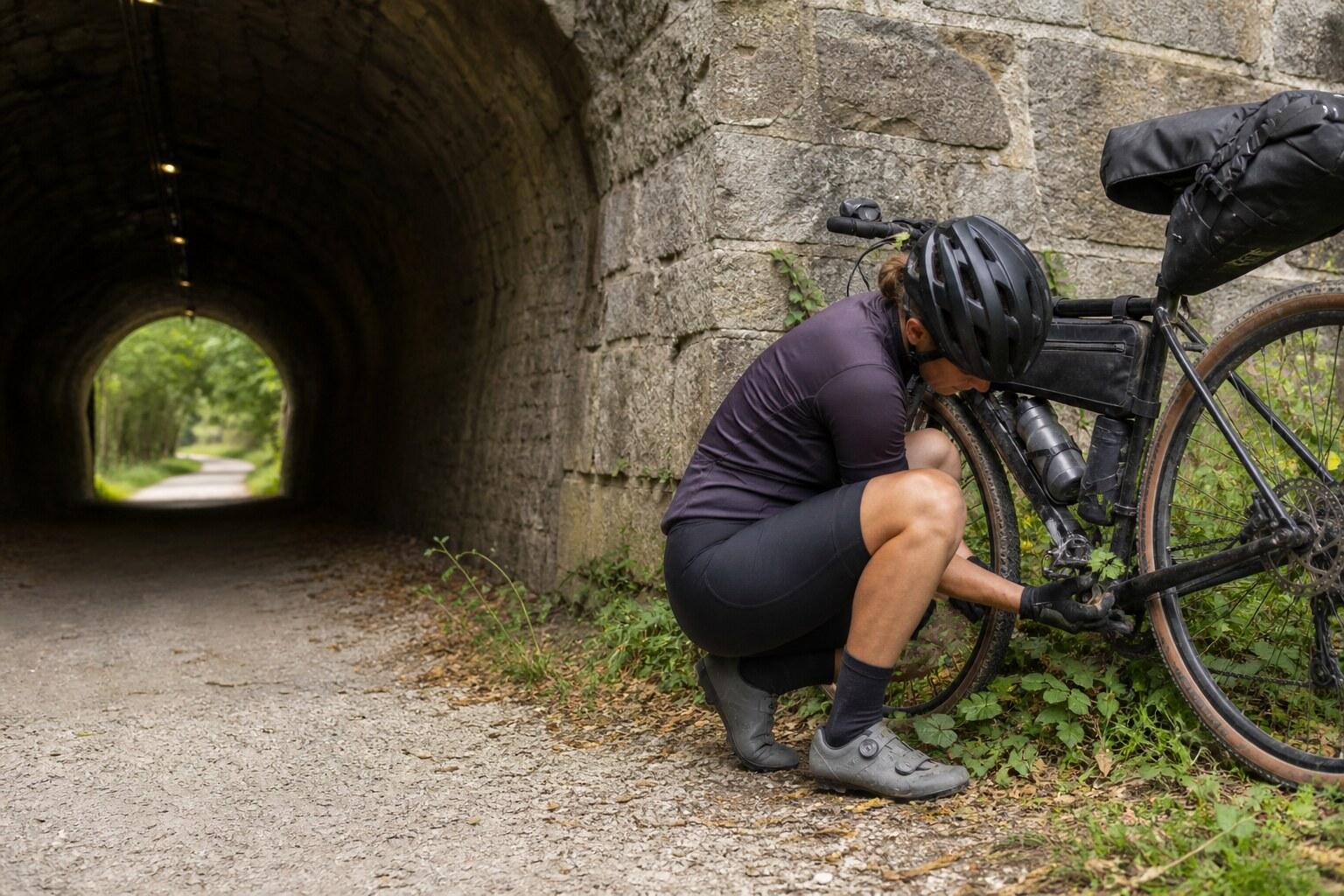
Choose the Bike and Support Together
A gravel or touring e-bike with 38 mm tires, panniers, lights, rain layer, and two-tube repair kit is appropriate.
Shorten individual stages using agreed pickup points; never rely on finding an unplanned bicycle space on a bus.
Verify current diversions, surfaces and services with the Girona Greenways Consortium’s official Pirinexus route planner. Details checked August 2026. Weather, works, train capacity, and seasonal services can change at short notice.
Arrive Before the Riding Starts
The schedule should begin only after reaching Girona with fitted bikes and overnight luggage separated. Keep the final directions and access instructions available without a signal.
The riding plan uses three days at roughly 45–70 km per day. Arrive in Girona early enough to fit and test the bike before day one; travel that ends at the rental counter is not part of the first stage's usable riding window.
Ask the operator for the current surface notices, luggage deadline, and pickup locations for each stage. Put those contacts into every rider's phone; a support number stored only with the group leader is fragile when riders separate.
Agree in writing which weather, mechanical or timing problem triggers a pickup or shortcut. That keeps a disruption from becoming an expensive late negotiation.
Put the flexible meal near the stage finish, not before a remote sector. Riders can shorten a café stop while support is nearby, but the luggage handover and daylight deadline should never depend on unexpectedly fast service.
Before paying, compare cancellation, meeting point, access and written inclusions rather than only the headline price.
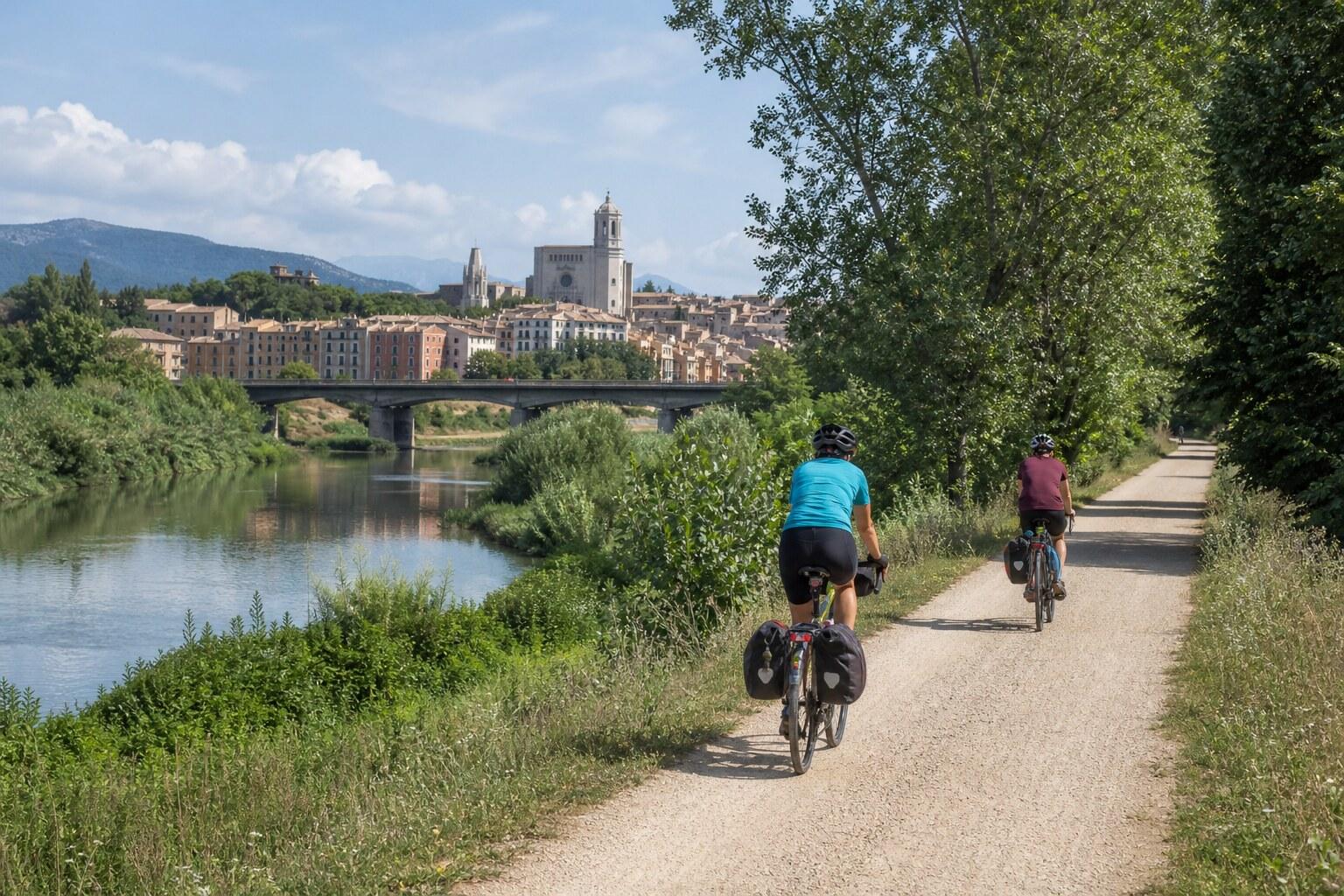
Make the Midpoint Decision Early
The decisive question is whether the planned finish remains reachable with reserve. At the midpoint, compare elapsed time, water, wind, mechanical condition and the slowest rider’s effort with the pickup or daylight deadline. Shorten there; waiting for obvious exhaustion usually removes the easiest exit.
Inspect the bike each morning before the luggage leaves: tyres, brakes, chain, rack bolts, and battery or charger if applicable. Keep rainwear, tools, medication, and documents on the bike rather than in the transferred bag, because support may not reach every sector quickly.
Download the official stage map and current alerts for offline use. Route markings are helpful, but works or weather damage can create temporary diversions, and a phone signal is not a recovery plan. Each rider should also carry water and enough food to bridge a closed village stop.
Each rider should know the day's accommodation and the operator's recovery boundary. When a mechanical or weather delay threatens the luggage deadline, call from the first town with service; an agreed shortcut is safer than arriving after dark at a rural property.
Keep the three stages deliberately unequal. The Carrilet climb toward Olot is likely to consume more time than its surface suggests, while the Empordà finish is more exposed to wind. Ask the support operator which connector is driven on day two and which kilometres are actually ridden; otherwise two products advertised with the same daily distance can demand very different effort.
Allow a final fifteen-minute margin for regrouping, checking belongings and confirming the return leg before the group leaves its last controlled stop.
Protect the Following Morning
On a three-day Pirinexus loop, today's delay becomes tomorrow's distance. Set a latest arrival for each luggage stop and shorten the stage while support is still reachable; pushing into dusk only transfers fatigue and mechanical risk to the following morning.
Related guides
- Pirinexus Figueres to Roses: A One-Way Bike Day
Ride the mostly flat Pirinexus Litoral from Figueres toward Roses, with the wetland branch, wind and one-way bicycle return settled first.
- Banyoles–Rocacorba Gravel Loop: The 68 km Test
Ride the official 68 km Rocacorba and Adri loop with the right tyres, water reserve, timing gate and respect for its road descent.
- El Prat and the Llobregat Delta: A Flat Cycling Day
Cycle from El Prat to the coast via aircraft viewpoints, with route surfaces, rental checks, wetland bike restrictions and return options.
Are you in the know?
Receive new articles, local updates, and occasional offers from selected partners. We never share your email address. Unsubscribe at any time.
By subscribing you agree to our privacy policy.